On our departure day in Murcia, we had time in the morning for a last visit to the city. We wanted to visit the Monastery Museum Santa Clara la Real. In the streets of Murcia, normality has returned, and nothing reminds of the phenomenal festival Entierro de la Sardina last week.
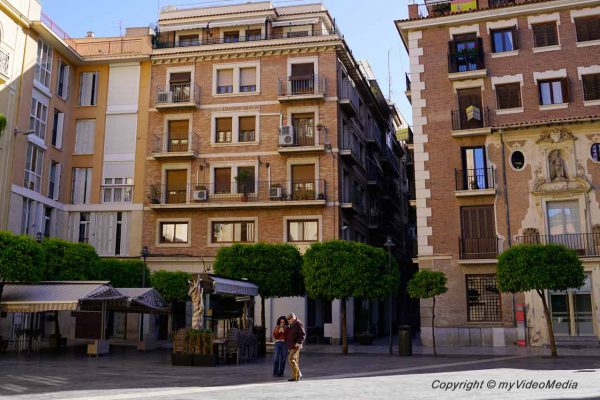
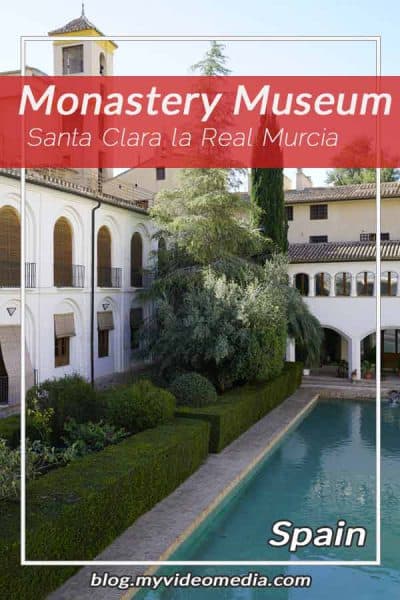
The Monastery Museum Santa Clara la Real is the most important building from the Moorish era. Besides, it also shows the changes and additions in the Gothic and Baroque periods. Thus, it is an outstanding testimony of different epochs and their architectural history.
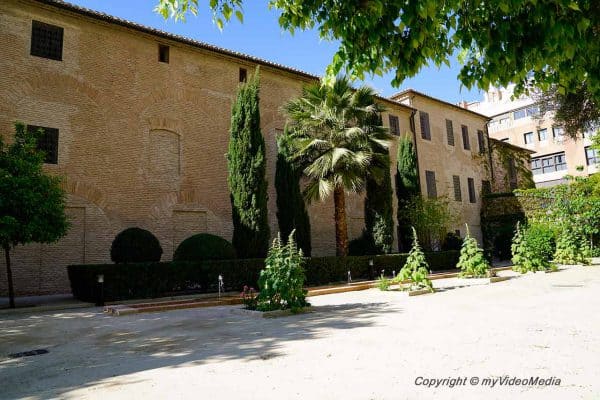
King Taifa Murciano Ibn Mardanis (the Wolf King) built the palace in a residential area with adequate water outside the medina, in the 12th century. The simple palace was partially destroyed in 1172 when the Almohads took the city.
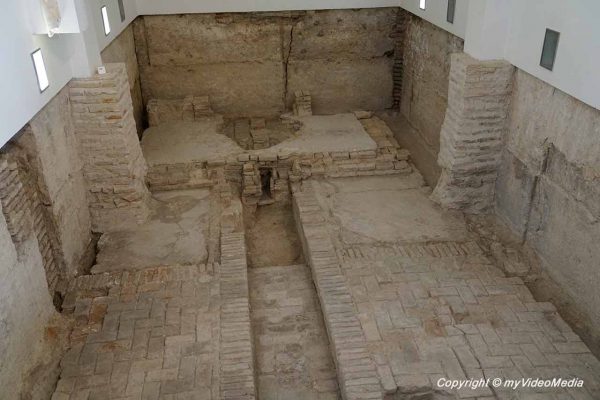
In the 13th century, King Ibn Hud al Mutawákkil of Murcia built in the same place the Alcácar Sequir (small palace) as a leisure palace. The official residence of the Muslim royal family was the Alcázar Nasir (Grand Palace), further south on the banks of the River Segura.

Ibn Hud was assassinated in 1238. In 1243, Murcia became a protectorate of the Crown of Castile. Ibn Hud al-Dawla (the predecessor’s uncle) became the new king of Murcia. The Alcázar Seguir became the permanent residence of the royal family of Murcia.
Please watch the 4K UHD video here
You are currently viewing a placeholder content from YouTube. To access the actual content, click the button below. Please note that doing so will share data with third-party providers.
More InformationAfter the take-over of the city by the Christians the Alcázar Sequir became a royal house of the Castilian monarchy. At that time the castle included not only the palace, but also other buildings, baths, and gardens.
In 1365, Peter of Castile called the Cruel, donated the palace to the Order of the Poor of Santa Clara. One built a Gothic cloister which is still preserved today. The courtyard of the palace, reminiscent of the Alhambra in Granada, became the center of monastic life.
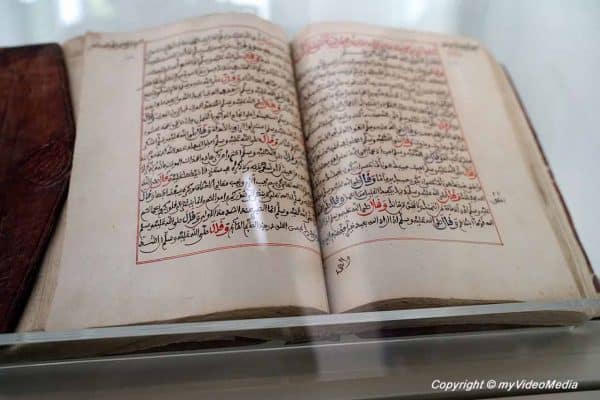
Today’s museum houses primarily sacred works of art of the Christian culture. But you also see important Shiite writing by the Muslim scribe of the Egyptian al-Azhar University, Hasan al-´Idwil al-Hamzawi, dating from 1886.
On the way back to the hotel, in the Plaza de San Bartolomé, we find a statue of the god Mercury. It is the work of the sculptor Antonio Campillo Párraga.
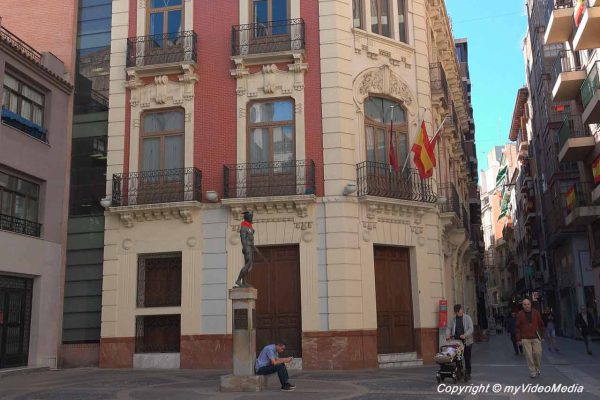
Next to it is the house of Andrés Aimansa, built between 1903-1905. The modernist style building, decorated with glass ceramics, houses the Chamber of Commerce, Industry, and Navigation of Murcia.
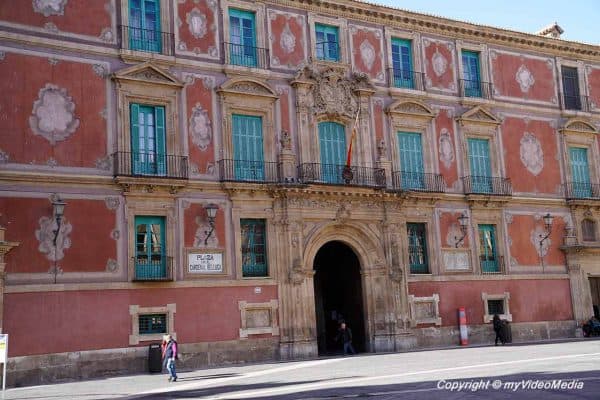
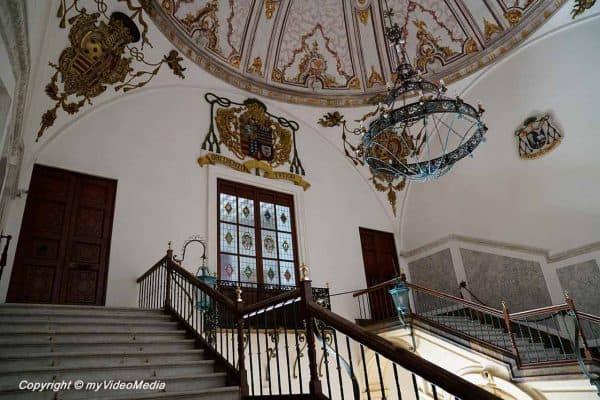
Next, we take a look at the Episcopal Palace of Murcia. The building with its beautiful Renaissance facade has an impressive inner courtyard, which is well worth a visit. The building stands on the remains of Alcázar Nasir.
When we arrive at the Ayuntamiento de Murcia, the city hall of Murcia, the mayor has gathered with a part of the city administration in front. Also, the press is present. They all observe one minute’s silence.
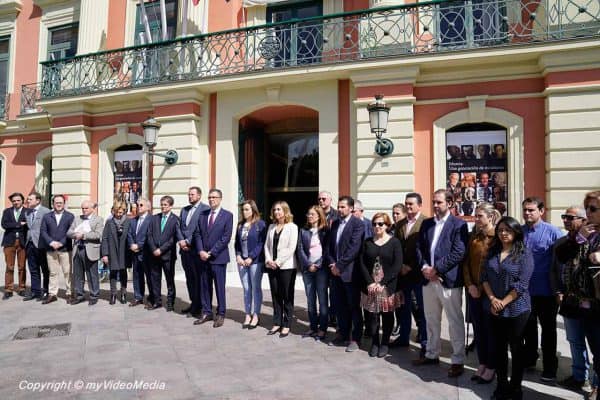
The kind mayor finds the time to explain to us what is going on. The citizens are very close to the heart of the city council. And they kept a minutes silence to remember the woman that was the victim of a family tragedy. Fortunately such an occurrence is extremely rare in the peaceful city of Murcia.
Please read on > From Murcia to Frankfurt
Pin it for later
Text, photos and video: Copyright © myVideoMedia