Fortunately, the world’s urban population (except for President Trump) has recognized the problem of climate catastrophe better than the rural population. Nevertheless, we were pleased that the delicate seedling of the climate protest also reached this region in Wittlich.
Please watch the 4K UHD video
You are currently viewing a placeholder content from YouTube. To access the actual content, click the button below. Please note that doing so will share data with third-party providers.
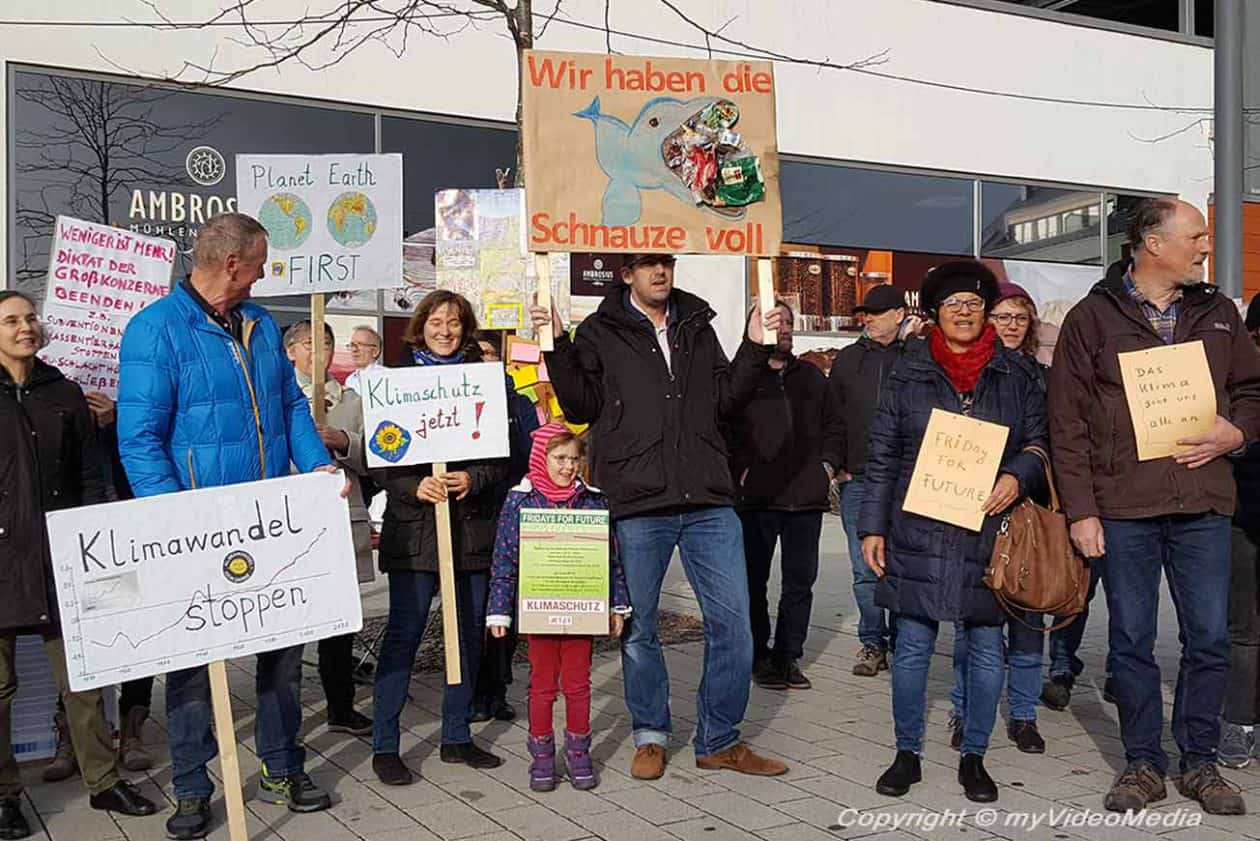
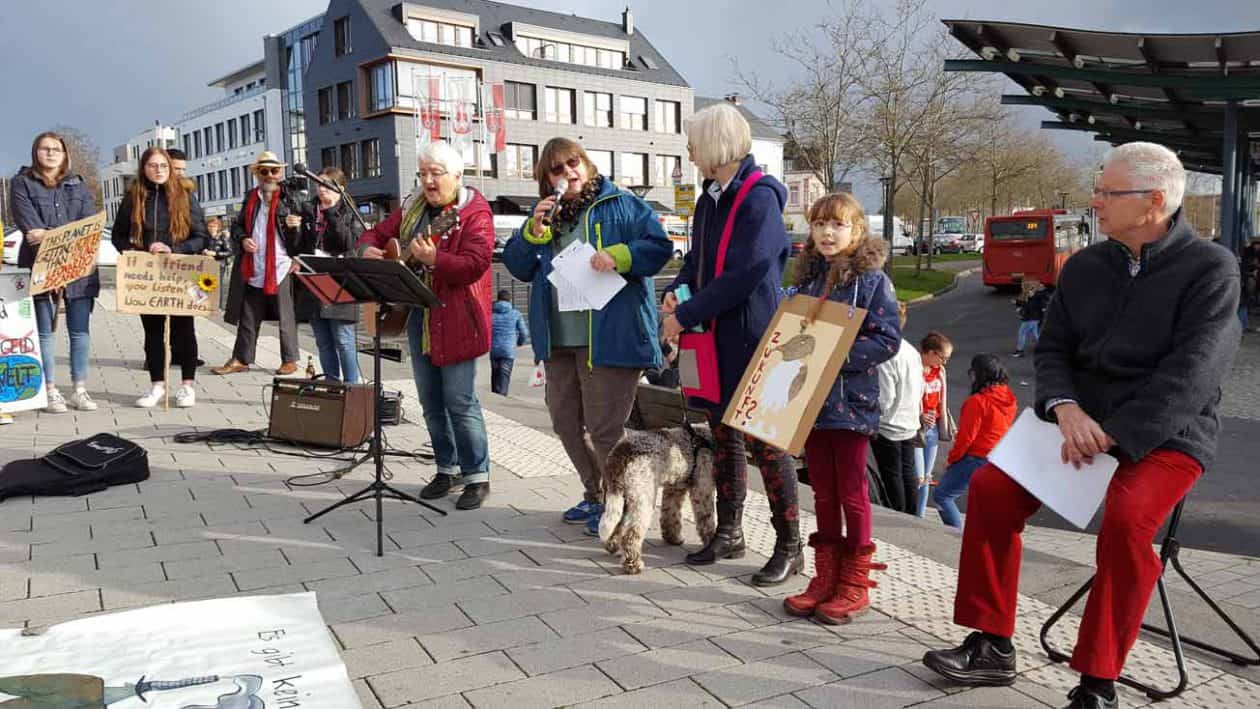
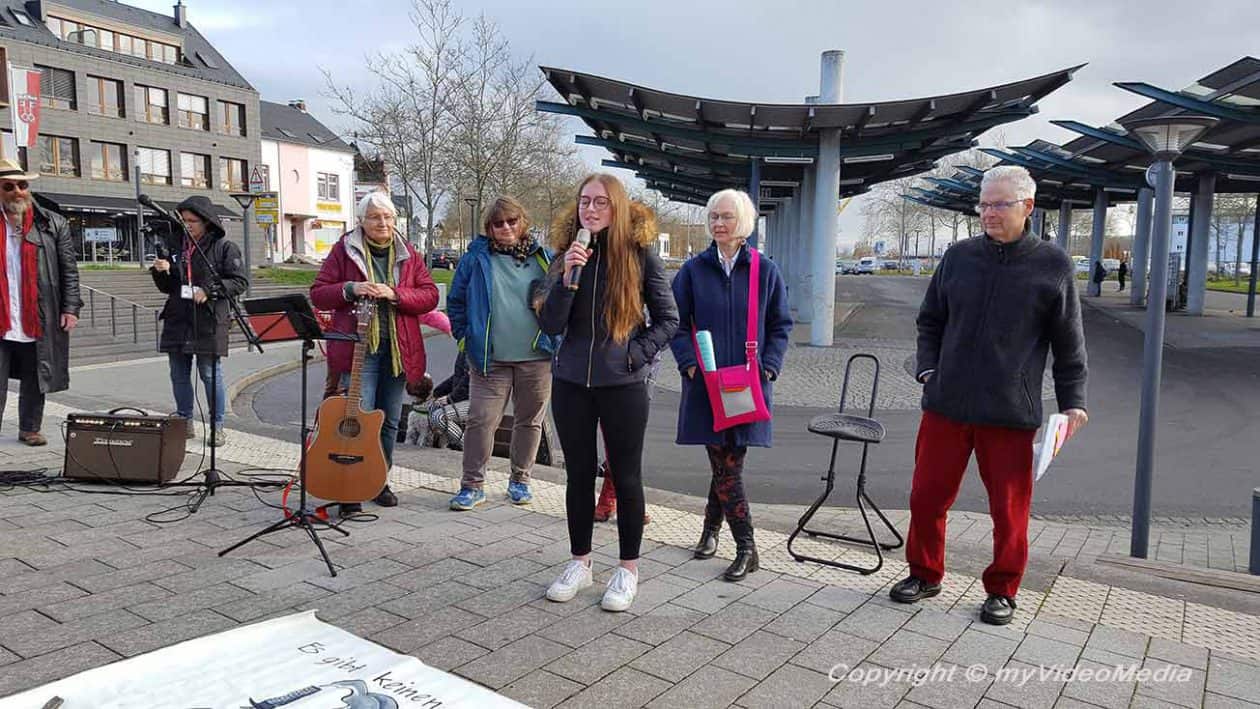
More InformationThanks to the commitment of Dipl.-Psych. Sabine Hecker, spokeswoman of the City Association of the Greens and her husband Dr. Josef Hecker, the climate strike also took place in Wittlich on 29.11.2019. They were supported by Günter Esch from Bruch, Alderman of the Association of the Greens, Wittlich-Land.
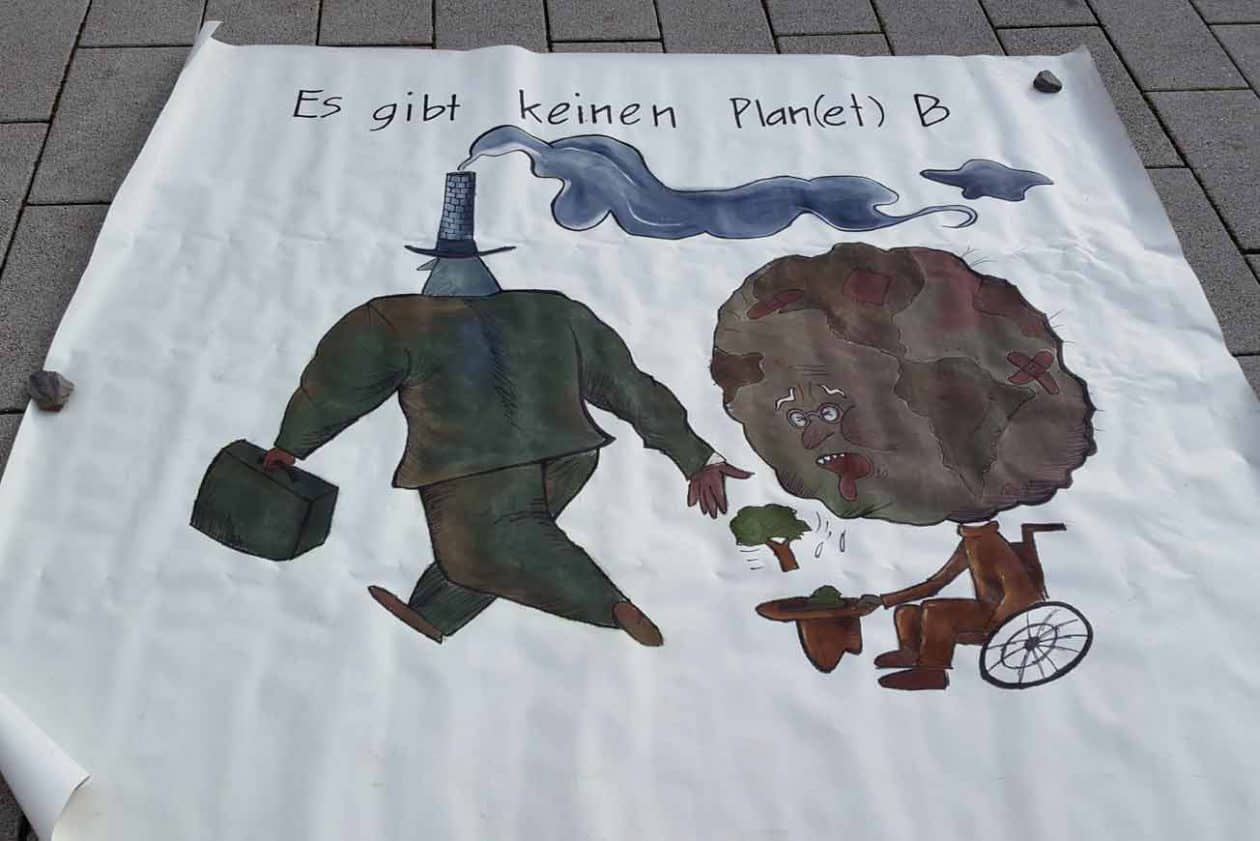
The event aimed to support the demands of the initiative towards the Federal Government:
- Compliance with the objectives of the Paris Agreement and the 1.5° C target
- Reaching net-zero in 2035
- Coal exit until 2030
- 100% renewable energy supply until 2035
Until the end of 2019:
- End of coal subsidies for fossil fuels
- Switch off ¼ of the coal power
- a tax on all greenhouse gas emissions; according to the Federal Environment Agency 180 euros per tonne of CO2
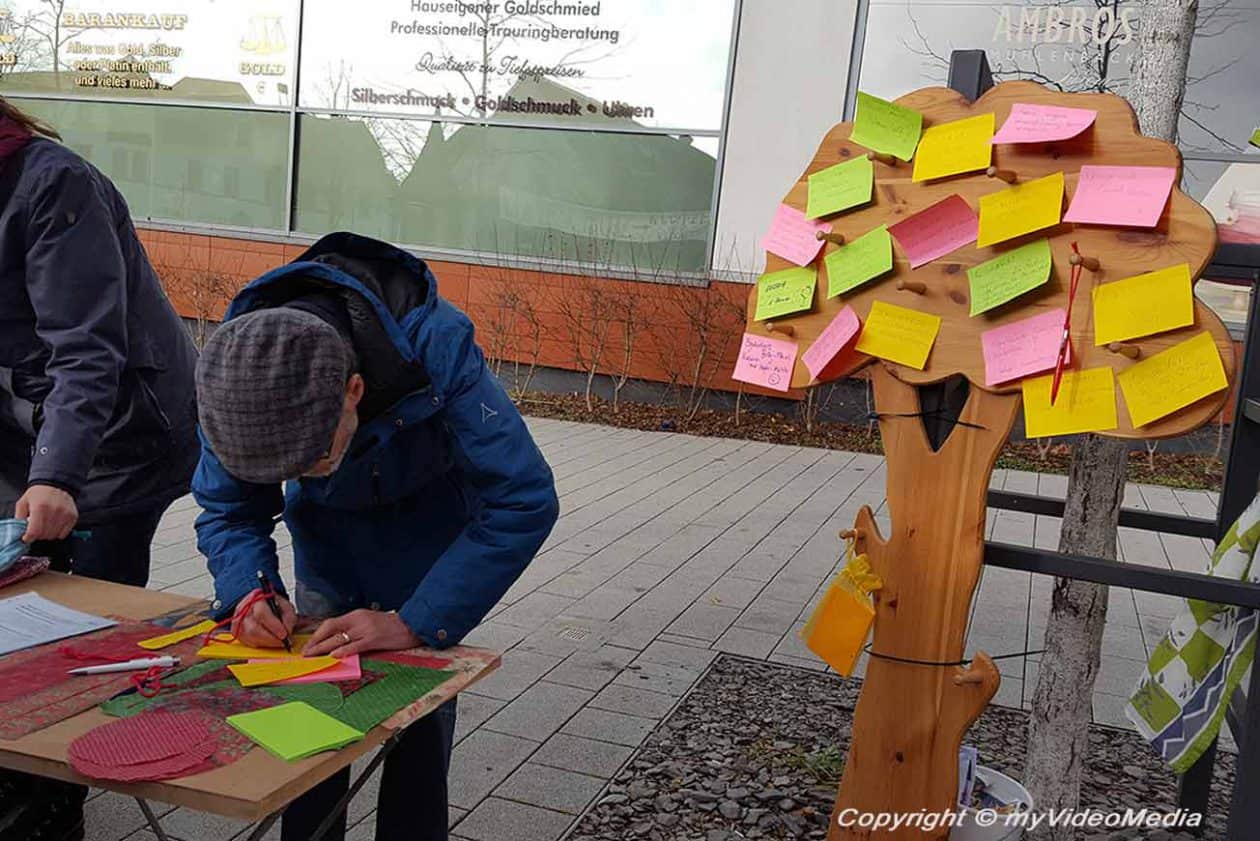
Although relatively few people had come, many useful suggestions have been made to improve the situation. Nevertheless, there are doubts that the actual measures will be sufficient to save the earth.
The aim of the German Energy Saving Ordinance (EnEV) is to save energy and use the energy required as efficiently as possible. Nevertheless, although the regulations have been in place since 2009 and should also be applied to the sale of old buildings, it is clear that no one sticks to them, as the guidelines are not checked. Also, some regulations are so absurd that no sense is recognizable.
In new development areas, heat pumps are now predominantly used. Nevertheless, the fine dust pollution in winter is as high as in small towns in the Pamir, which use dung to provide heat. The reason is that fireplaces are not banned (not even air filters are required) and people burn everything flammable.
The same applies to traffic. People are regularly trying to apologize for the poor transport connections in the countryside. But may this be the reason that there are at least two cars in front of each family home and these are preferably SUVs. Wittlich is experimenting with future-oriented traffic concepts, such as the Wittlich Shuttle operated by the on-demand provider ioki. The bus comes on request and seems to be well accepted. But it would only really make sense if the surrounding areas were included and not just the city of Wittlich.
Another big problem is agriculture. It does not do anything to call itself BIO, but to fertilize the landscape so intensively that nitrate can be found in drinking water. There is no fundamental sense of wrongdoing here. It is not the farmers who are the victims, but the people who have to feed themselves in a way that is harmful to their health.
With hope for improvement, we look to the future!