Our tour starts right in the city center at St. Stephen’s Cathedral. Today, we want to visit less well-known places, but we first look at this impressive building.
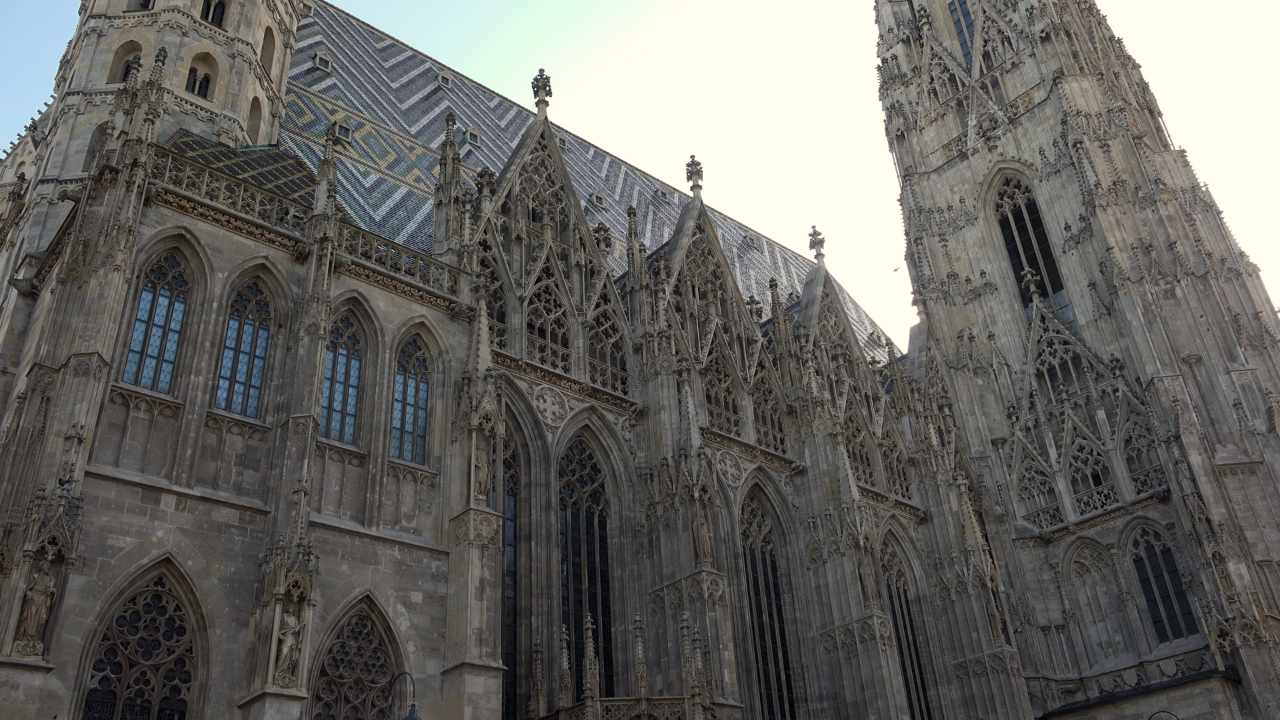
A famous detail in the interior is probably the so-called Fenstergucker (window gazer) on the pulpit. It shows a stone self-portrait of the sculptor
Anton Pilgram looking out of a window.
We walk along the Palais Equitable, which we visited the day before, to Wipplingerstraße. Here, we come across the Old Town Hall. Frederick the Fair donated the building in 1316 to the city council after it was confiscated in 1298 following the uprising against the Habsburgs.
To the east is the so-called High Market, which lies above the officers’ quarters of the former Vindobona legionary camp. Leopold I. had the Marriage Fountain built over the site of the former pillory. It is dedicated to the marriage of Joseph and Mary and was built by Joseph Emanuel, the son of Johann Bernhard Fischer von Erlach, on the orders of Charles VI.
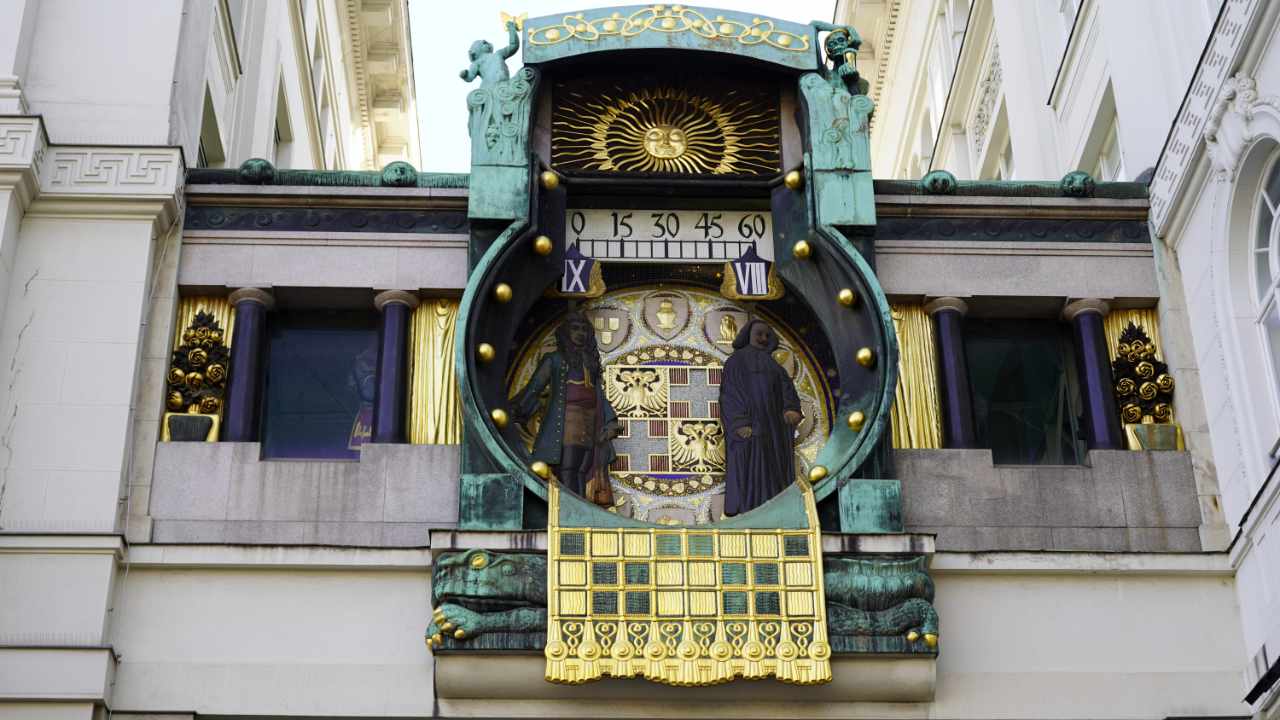
In the northeastern corner of the square, the so-called Anchor Clock was erected in 1915 by the insurance company Der Anker at its new headquarters. A figure glides across the dial every hour. The highlight is reached at noon when all the figures glide past one after the other.
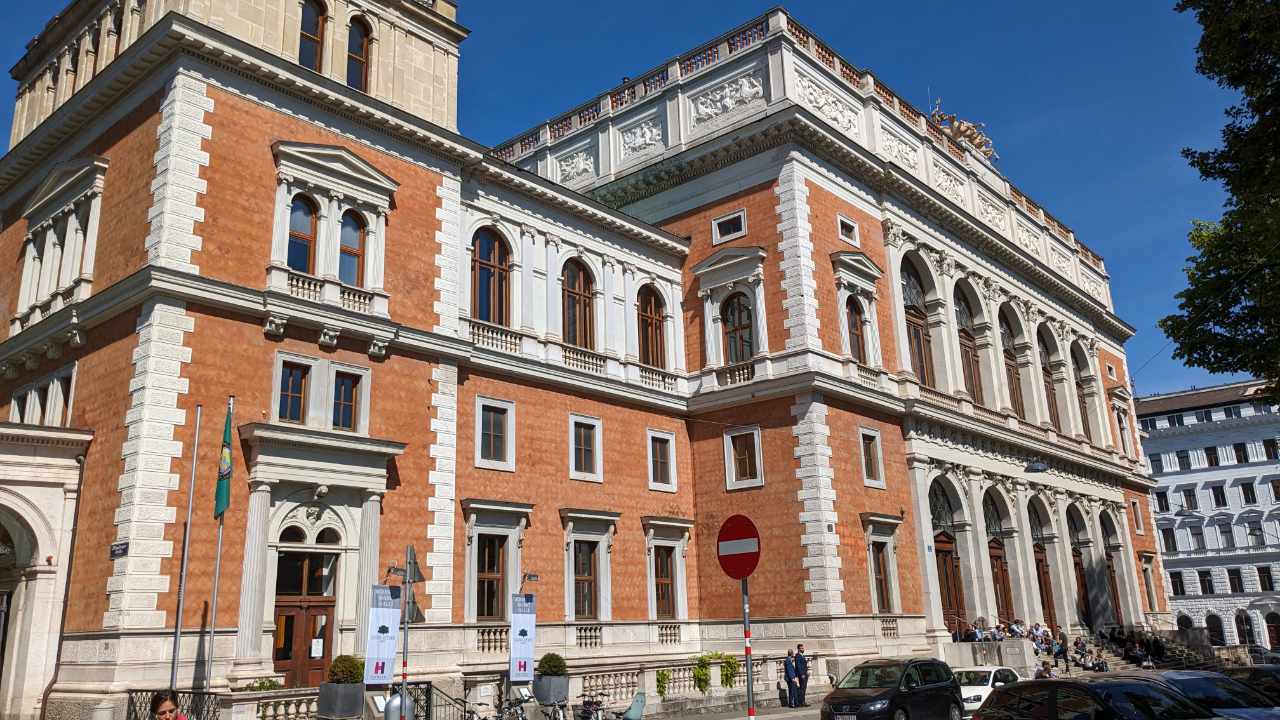
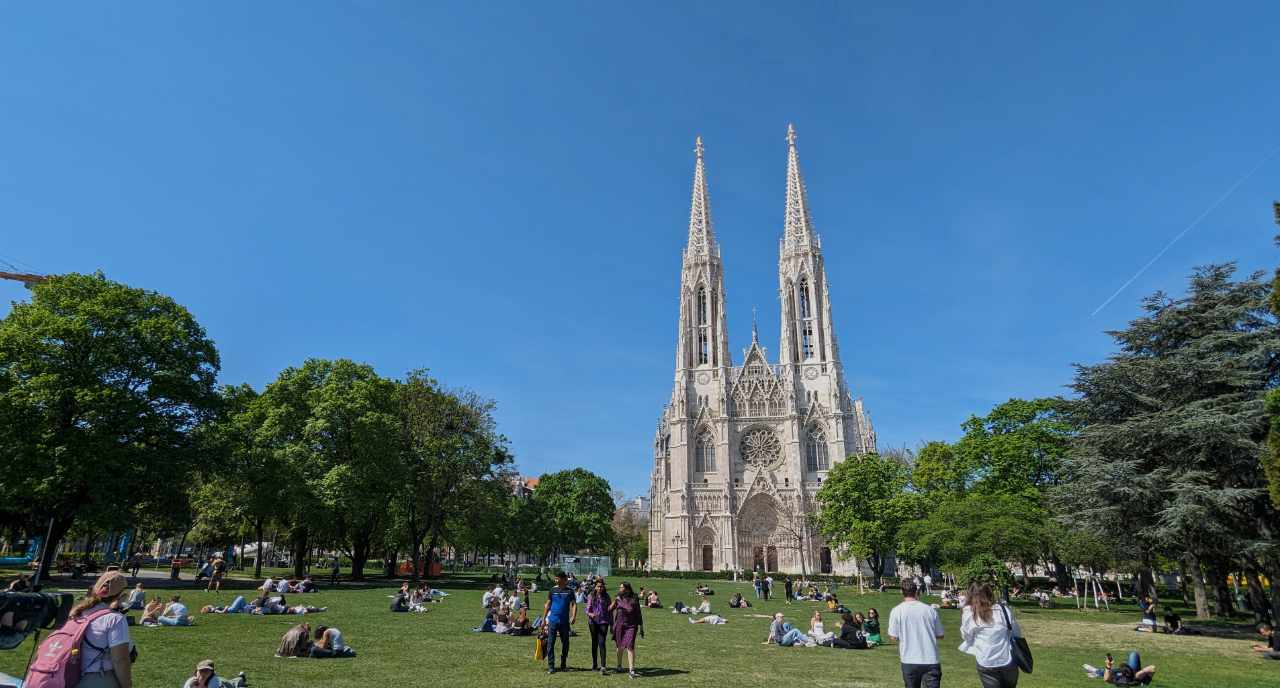
In Wipplingerstraße, we pass the building from the former Bohemian Court Chancellery before reaching the Ringstraße at the stock exchange. We then pass the Votive Church and the university.
The monument opposite the university is dedicated to Johann Andreas von Liebenberg. He was mayor of Vienna from 1680 to 1683 and rendered great merit in the fight against the plague and the second siege of Vienna by the Turks. Johann Andreas von Liebenberg died 2 days before the victory of the relief army over Kara Mustafa.
We continue past the Burgtheater, Café Landtmann, one of Vienna’s most renowned cafés, City Hall, and the newly renovated Austrian Parliament.
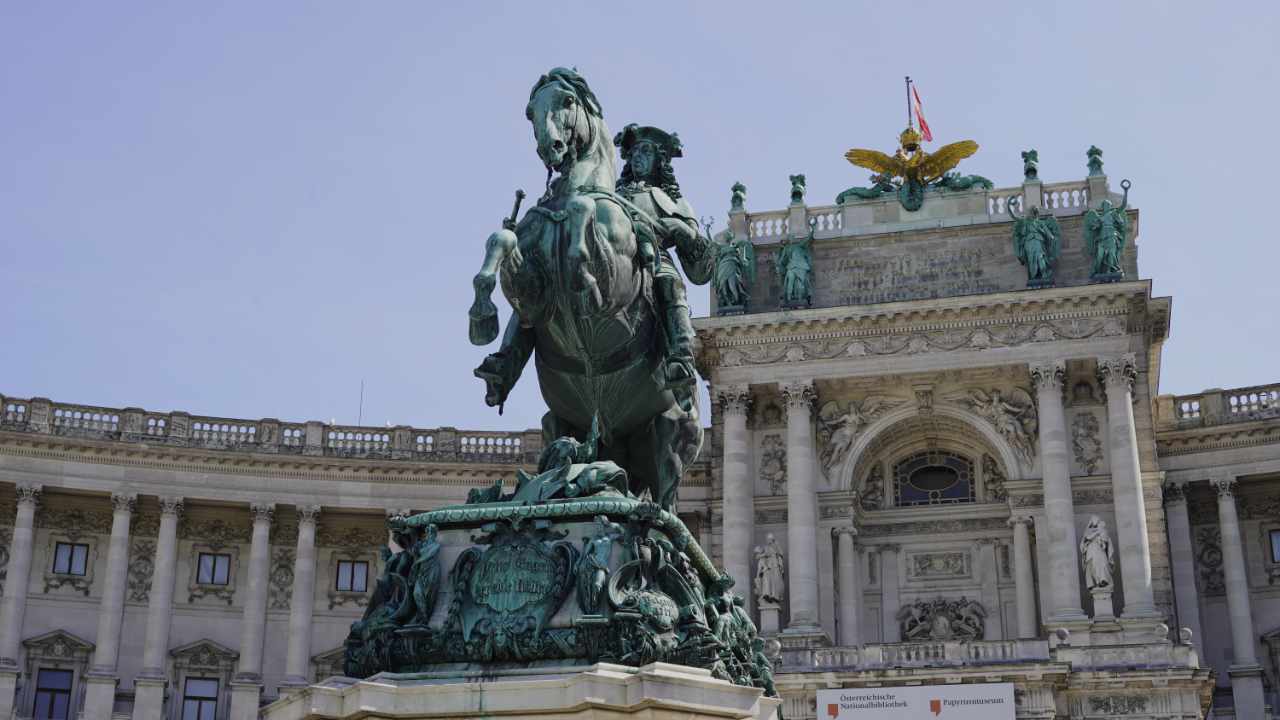
Through the Volksgarten, across Heldenplatz, and past the Hofburg, we arrive at Michaelerplatz. Part of the excavations from the past can be seen here. The Craftsmen’s quarter of the camp suburb (Canabae Legionis) of Vidobona was once located here. It was built around 90 BC. Remains of the enclosing wall of the Paradeisgartel, which belonged to the Hofburg, and the foundations of apartment buildings from the early 18th century can also be seen here. However, over the next few days, we will have the opportunity to visit a current excavation with a competent guide.
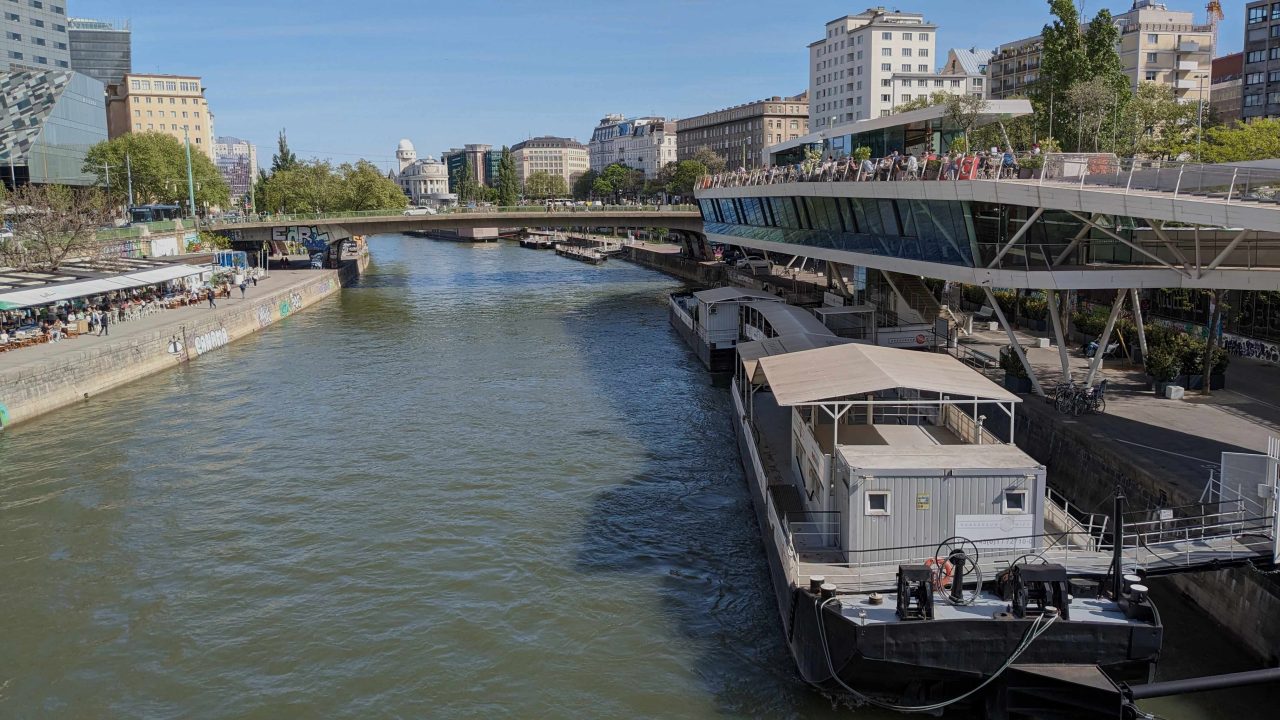
We continue by streetcar to the Twin City Liner boat station at the Danube Canal to look around, as we are visiting Bratislava the next day on the jet-powered catamaran. The tickets were already booked at the central station.
Just 150 meters away is the Fleischmarkt (meat market) with its lovely little streets. They evoke times gone by, such as Drachengasse, with the Vienna Chamber Opera and the Drachengasse Theater, or Wolfengasse, with the Guild of Master Builders.
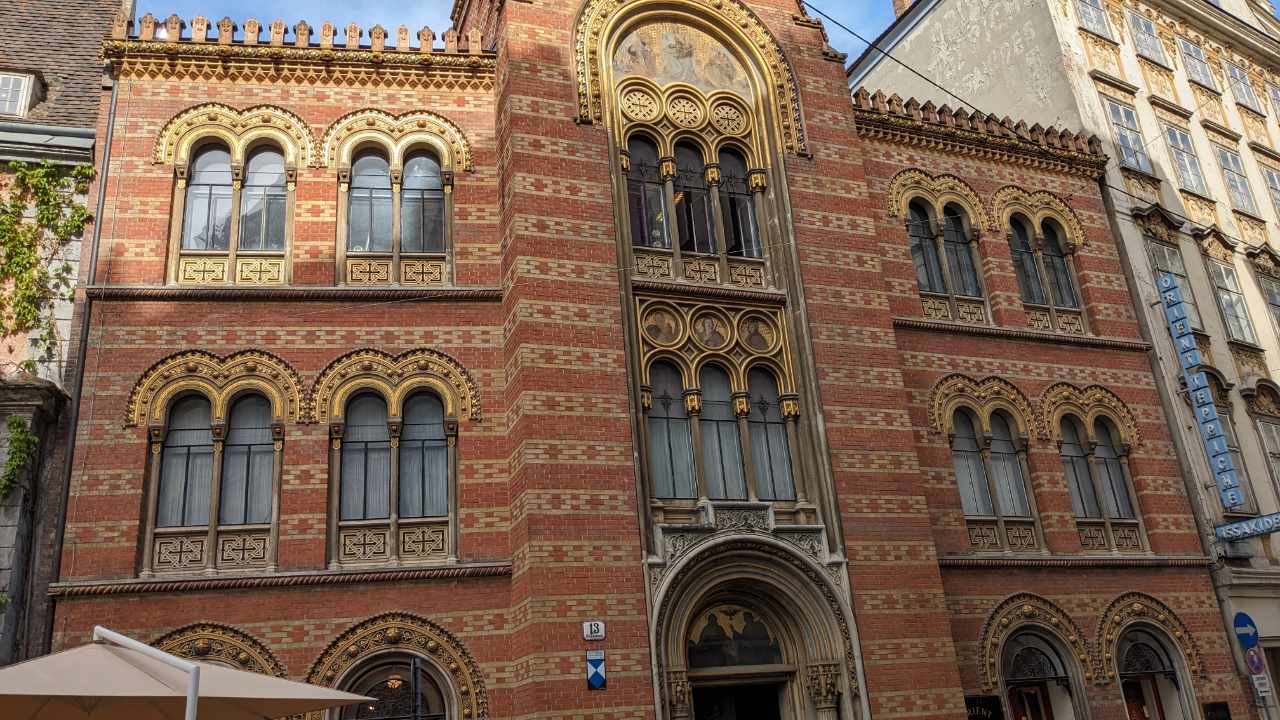
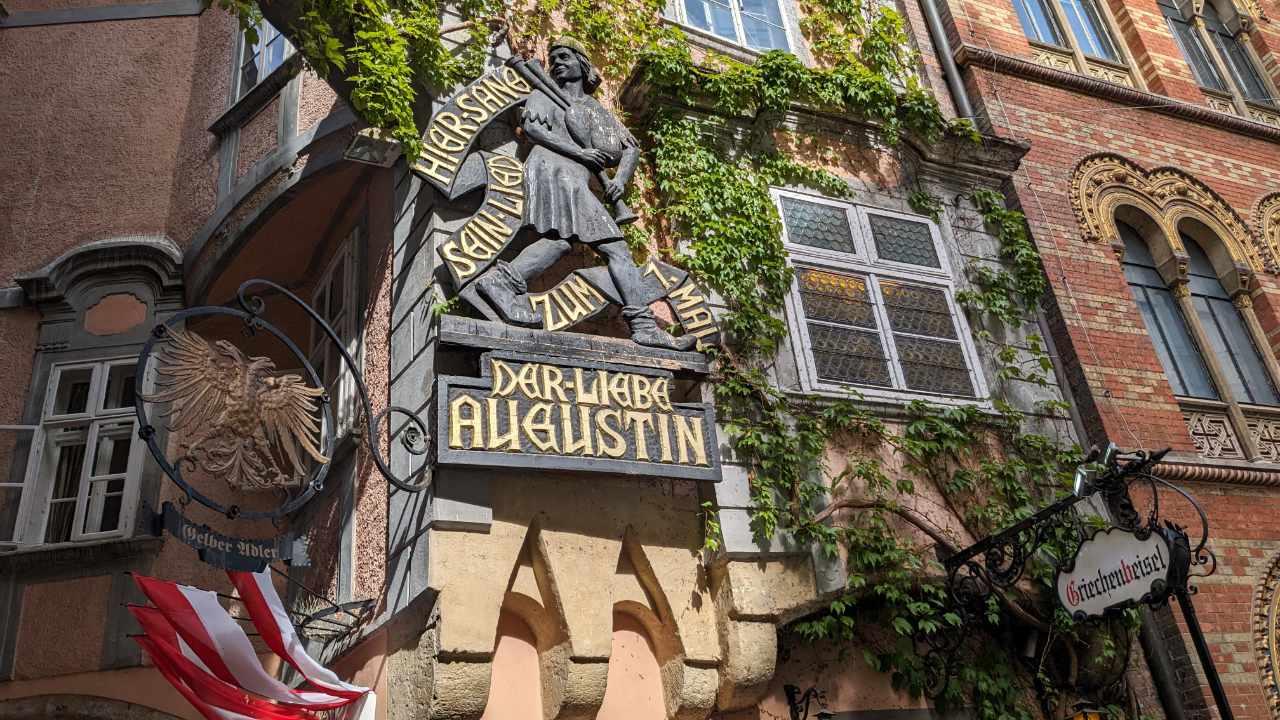
On the other side of the Fleischmarkt is the Griechenkirche zur Heiligen Dreifaltigkeit, an architecturally beautiful church. Right next to it is the Griechenbeisl. Legend has it that ‘dear Augustin’ appeared here and sang his songs, even after he had landed in a plague pit and survived.
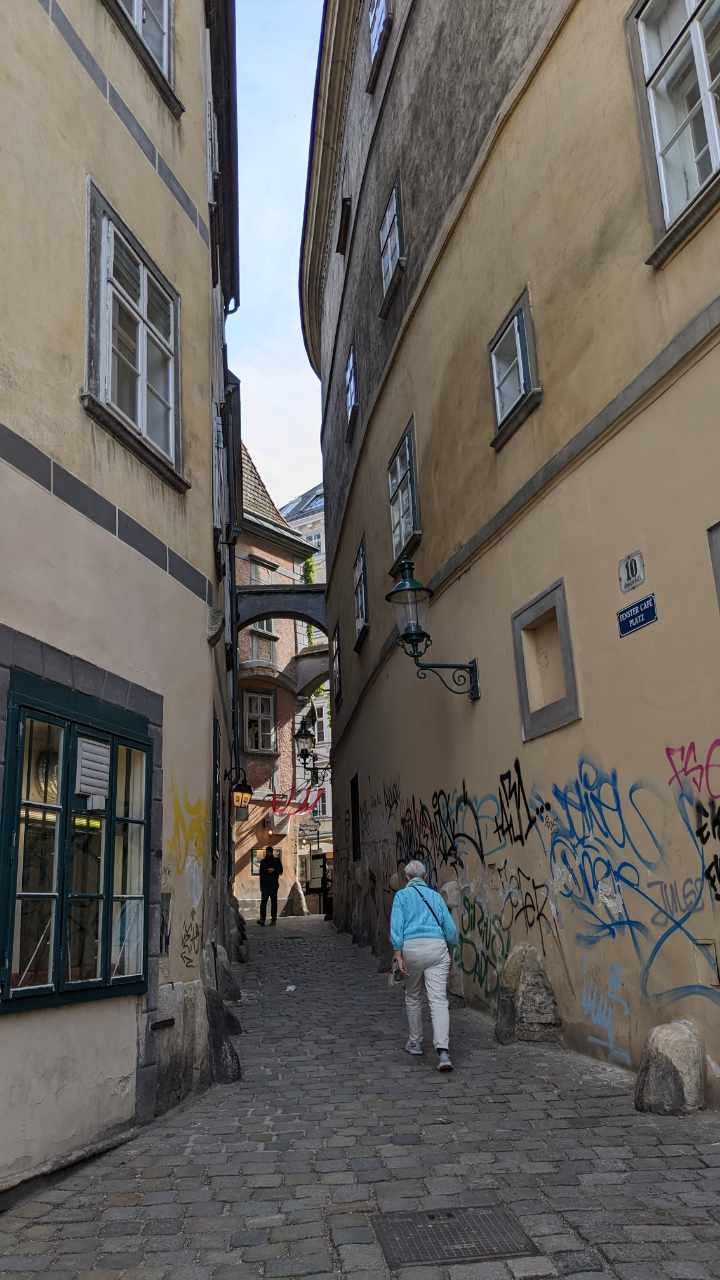
The alley next to it is also worth a special mention. Griechengasse is probably the narrowest lane that could once be used by horse-drawn carriages.
A sign warns: Walking pace! Heavy horse-drawn carriage drivers must lead the horses by the reins or send an adult escort ahead to warn pedestrians. Striking are the guard stones intended to prevent the wheels of the carriages from damaging the house facade.
From here, we make our way back to the hotel.
Text, photos and video: Copyright © myVideoMedia