After the end of the worst summer heat, we went on a day trip to Koblenz, which we had been planning for some time.
Once we arrive at the main train station, we take a bus directly to the valley station of the Koblenz cable car, which takes us across the Rhine to Ehrenbreitstein Fortress, the second largest fortress in Europe.
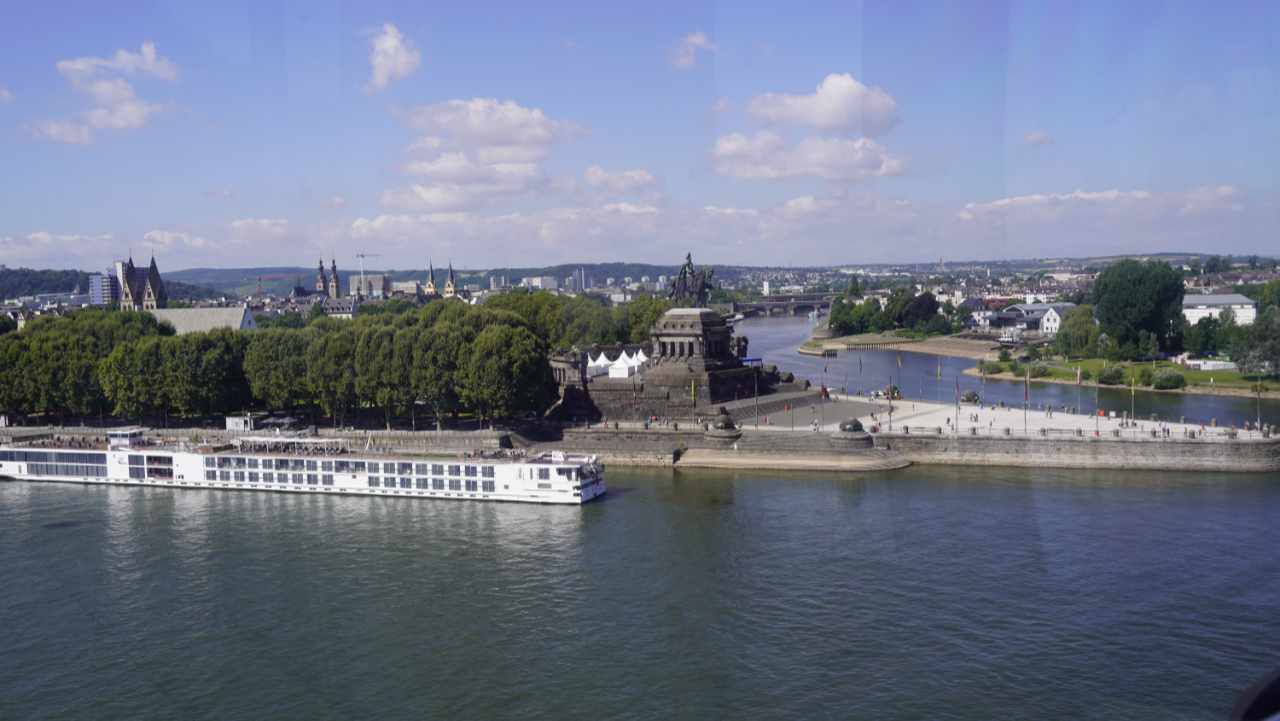
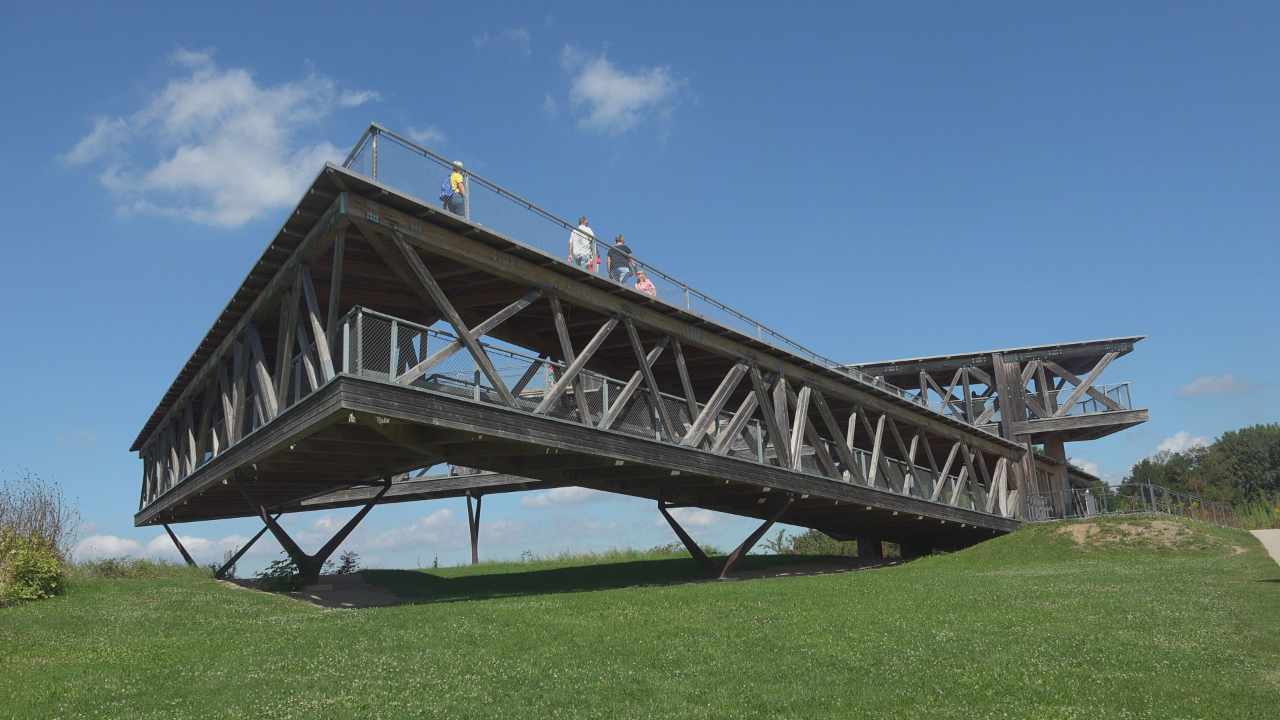
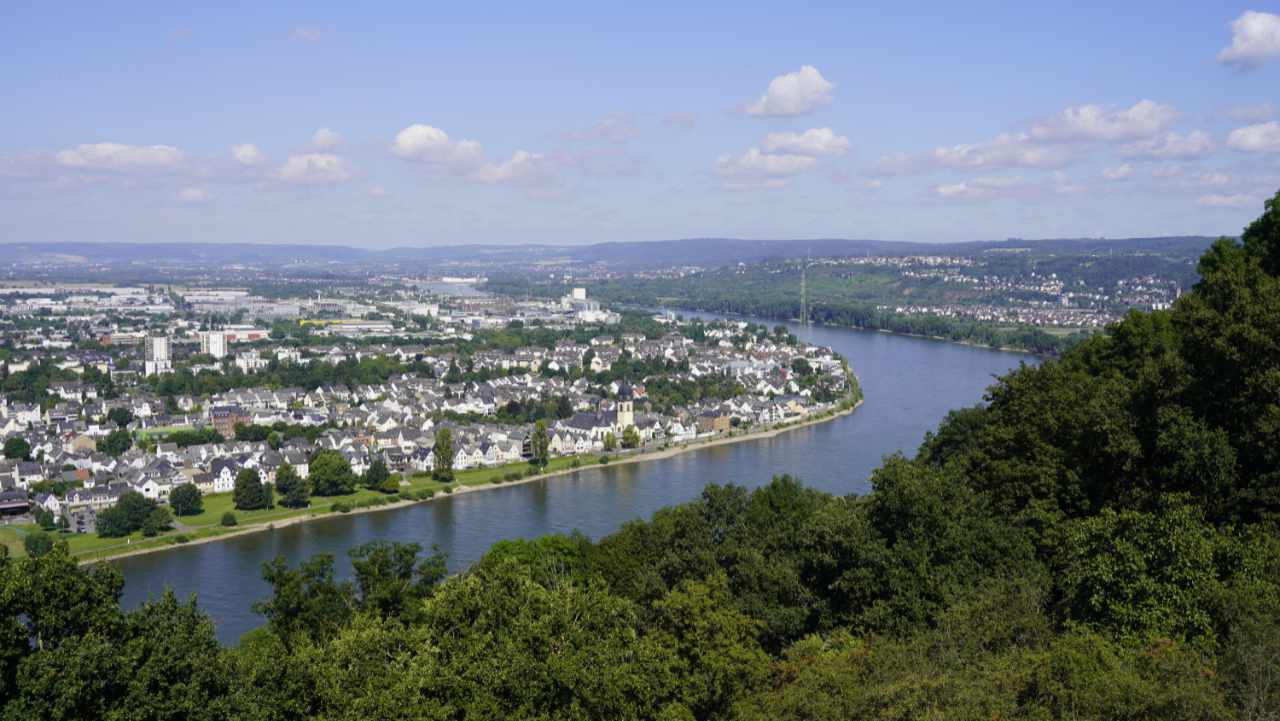
Once at the top station, we keep to the left in a northerly direction and visit the Rhine-Moselle View, a viewing platform shaped like a huge triangle. From here and from Ehrenbreitstein Fortress, you have the best view of Koblenz, the Rhine, and the Moselle. Right next to the viewing platform is a large tent that serves as interim quarters for Theater Koblenz, as renovation work is being carried out there
Koblenz has been inhabited since the Stone Age and the Romans built the first fortifications here. In the 5th century, the Franks conquered the area. In the Treaty of Verdun in 843, Charlemagne’s empire was divided by his grandsons into three parts. The archbishops and electors of Trier now took power.
Koblenz now lay on the border between Trier, Luxembourg, the Elector of Saxony, the Habsburgs in the Netherlands, and the French. In 1794, the French revolutionary troops took over. In 1814, Russian troops occupied Koblenz.
After the Congress of Vienna, the area was awarded to Prussia. Koblenz was then developed into one of the strongest fortress systems in Europe. After the First World War, Koblenz was first occupied by American troops and then by French troops until 1923. After the Second World War, Koblenz was again occupied by the French until 1969.
This proximity to the border and the changing balance of power led to the construction of numerous additional fortifications in Koblenz and the surrounding area.
You are currently viewing a placeholder content from YouTube. To access the actual content, click the button below. Please note that doing so will share data with third-party providers.
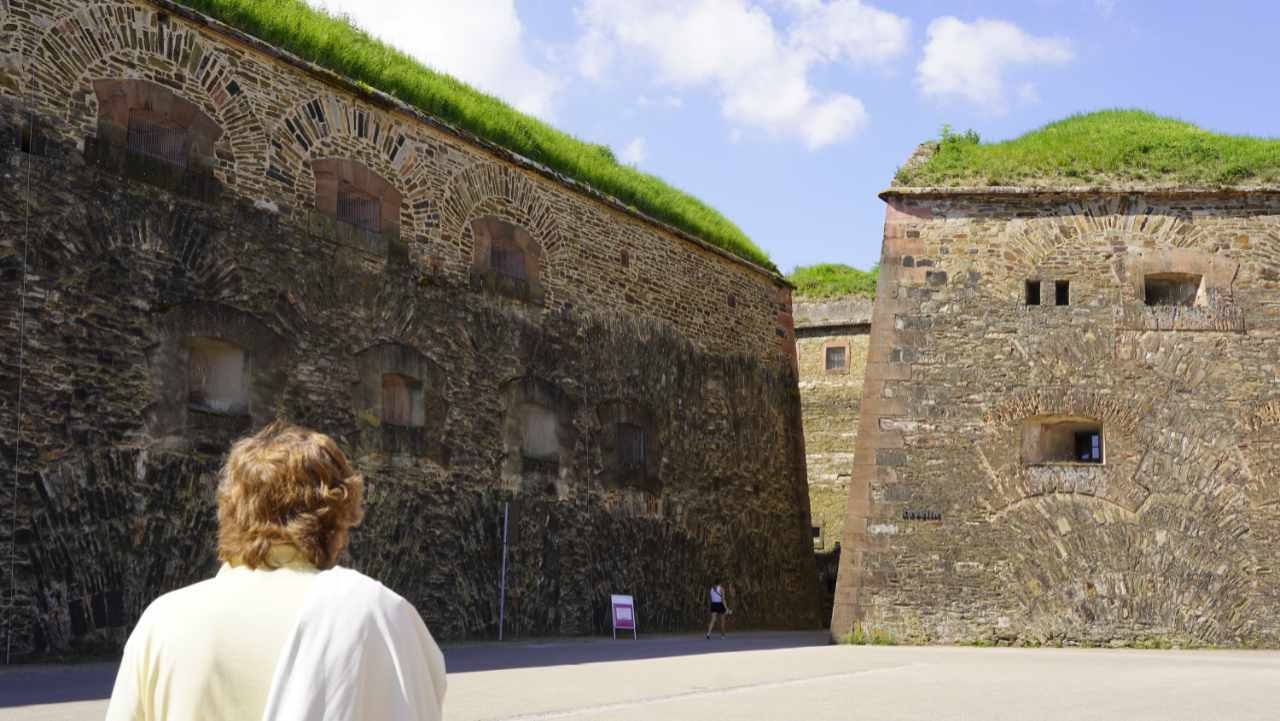
More InformationWe stroll on to Ehrenbreitstein Fortress and are impressed by the mighty walls.
Back at the valley station, we visit the Schängelbrunnen, one of Koblenz’s landmarks. The people of Koblenz call themselves Schengel. The word originally comes from the French Jean, which the people of Koblenz could not pronounce correctly.
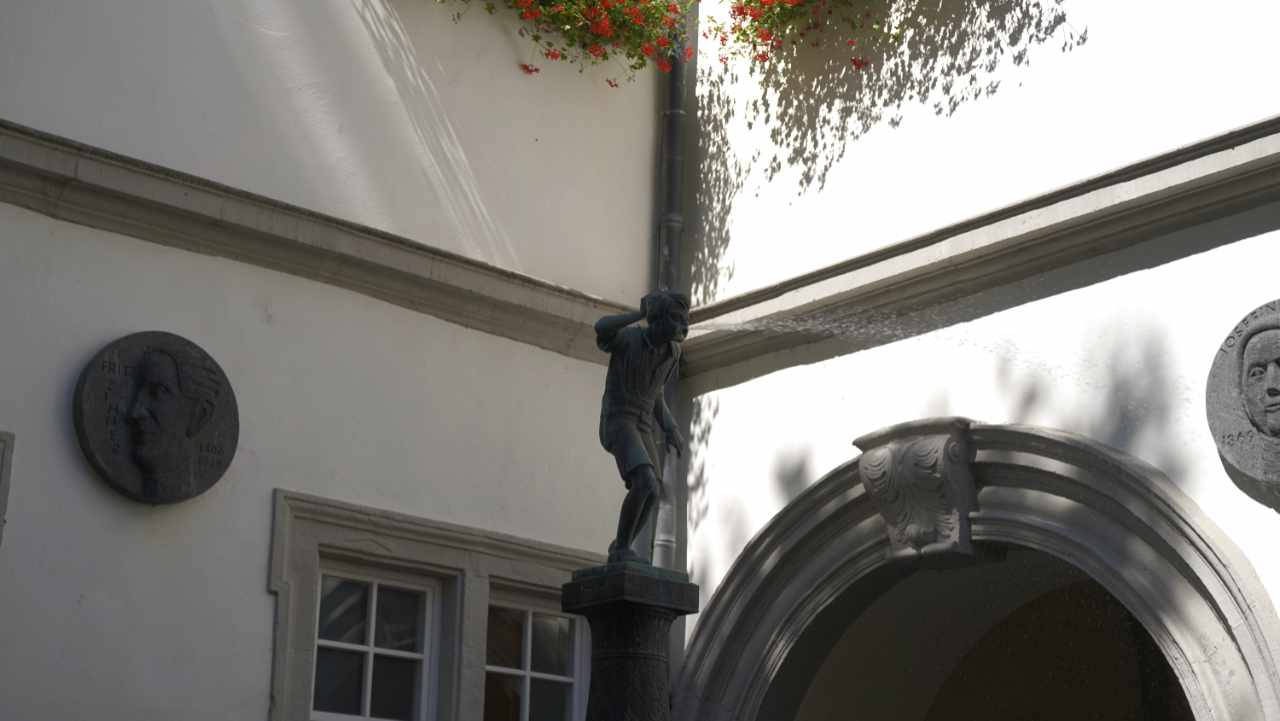
The fountain delights young people in particular, but also older people in good spirits, especially on hot days, as the figure sprays water at irregular intervals.
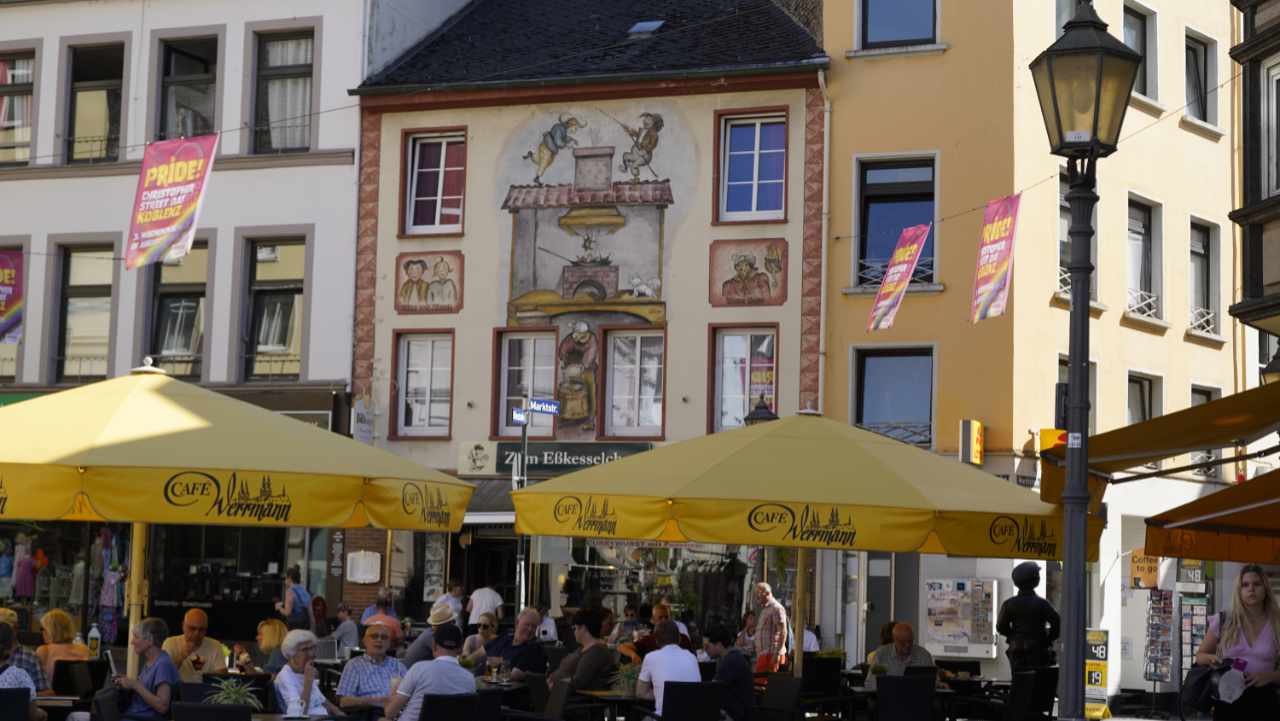
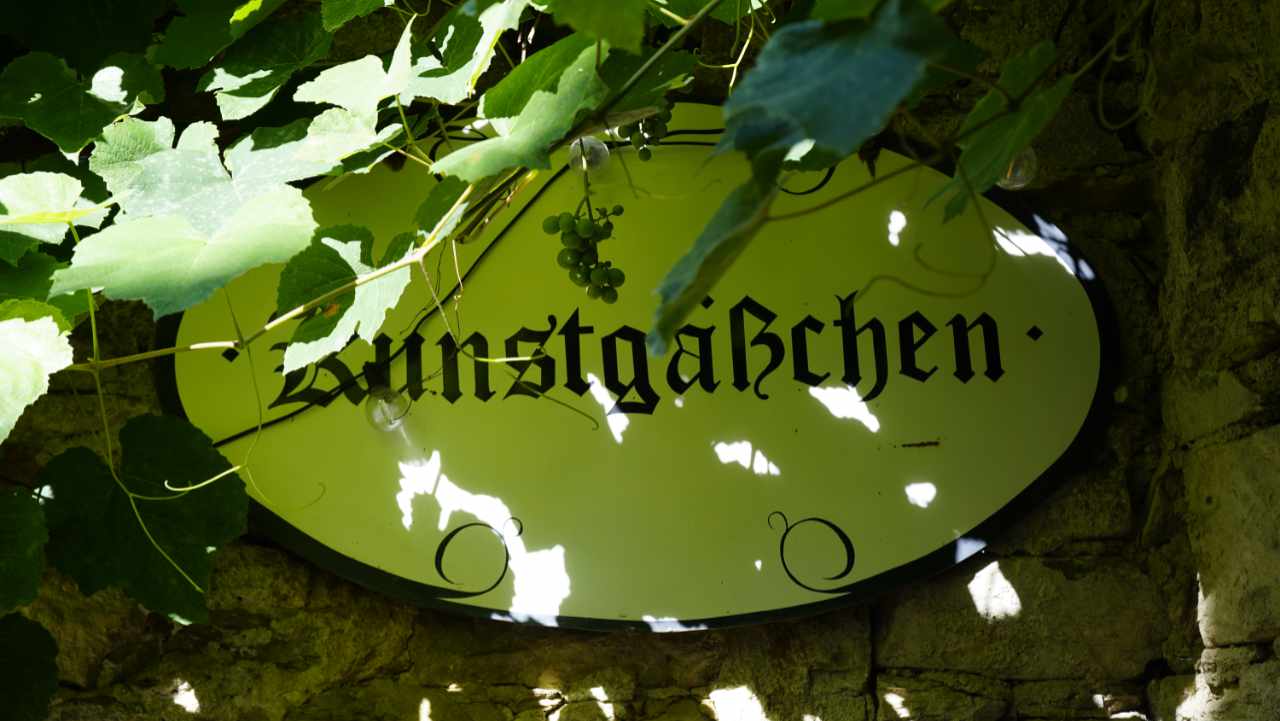
Past the Max & Moritz Grill, we reach the Kunstgässchen, at Münzstraße 8. This narrow and inconspicuous passage connects Münzplatz with the Liebfrauenkirche.
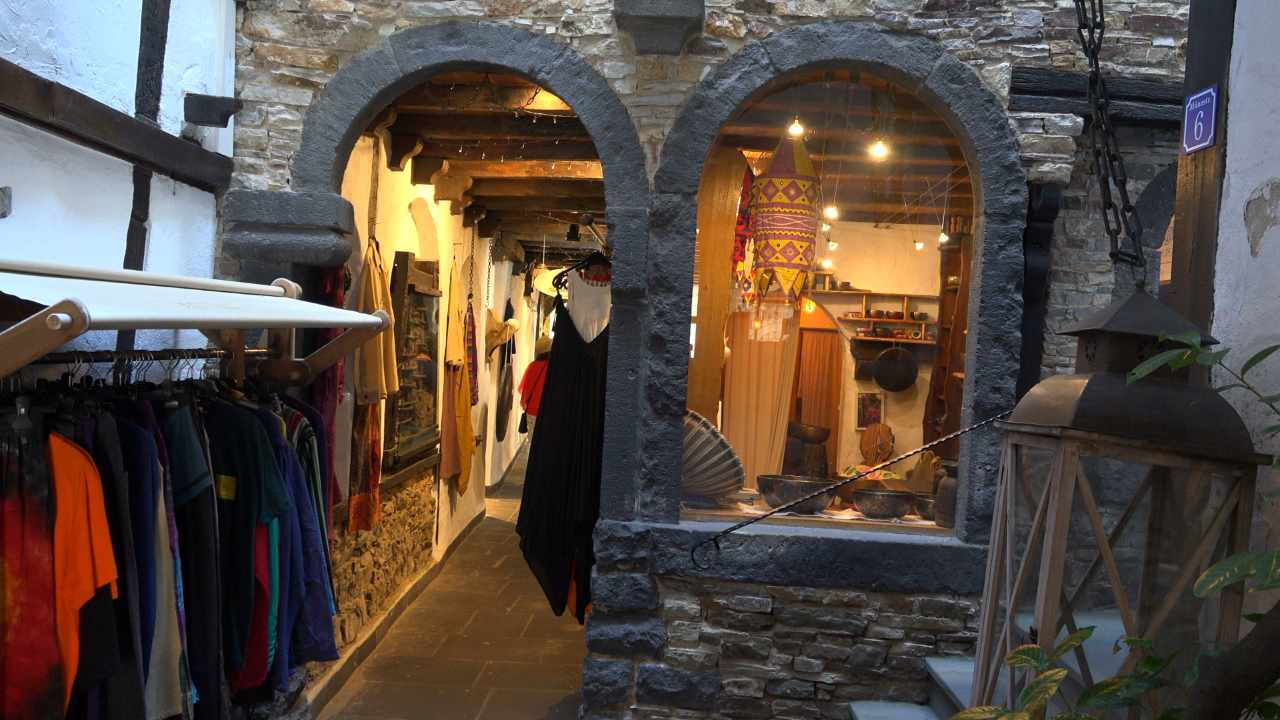
In the historic buildings, you will find all kinds of stores selling handcrafted goods. A stroll through the romantic inner courtyard is highly recommended.
Another place worth seeing is the “Four Towers” monument zone in the middle of the old town at the intersection of Am Plan, Löhrstraße, Marktstraße, and Altengraben.
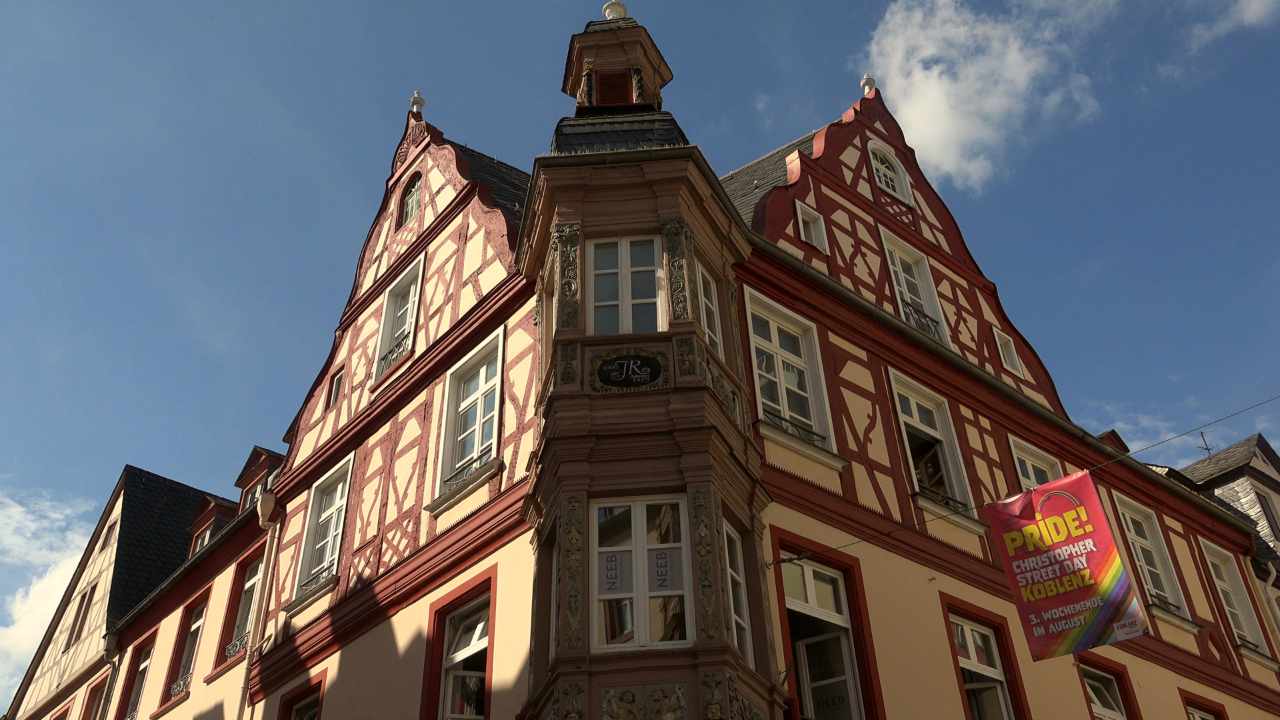
The magnificent houses with their oriel towers were first built in 1608 and were repeatedly rebuilt after war damage. Since 2002, the Four Towers a part of the UNESCO World Heritage Site Upper Middle Rhine Valley.
One last look at the square Am Plan and we hurry back to the station and travel back.
Text, photos and video: Copyright © myVideoMedia