
Kintamani on the island of Bali is located on the apex of the outer of two calderas of the volcano Gunung Batur at a height of 1470 m. The huge caldera has a diameter of about 10 to 12 km and is 300 m deep. The Batur lake forms the bottom. Please watch the video […]

Senggigi on the island of Lombok – Indonesia
Senggigi on the island of Lombok, Indonesia, with its 6 miles of beach, is an alternative for those who want to escape from the snow. Please watch the video You are currently viewing a placeholder content from YouTube. To access the actual content, click the button below. Please note that doing so will share data […]

Life on the island of Lombok – Part 2
The landscape of Lombok – the neighboring island of Bali in Indonesia – is characterized by white and black beaches, rice and chilli fields, as well as by rocky streams and strongly flowing rivers, where daily life takes place. Please watch the video here!!! You are currently viewing a placeholder content from YouTube. To access […]

Life on the island of Lombok – Part 1
Lombok in Indonesia is the neighboring island of Bali. The landscape is dominated by the Rinjani, the second largest volcano in Indonesia. In large parts the life in Lombok is very simple. There are still many villages that have neither electricity nor water or sewage system, like you can see in the video taken near Sukadana-Bayan. Please […]
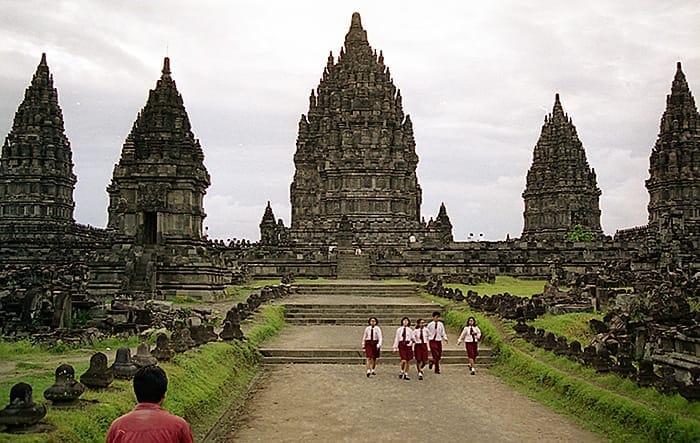
Prambanan on Java – Indonesia
Prambanan on the island of Java is the largest Hindu temple in Indonesia. It was built in 850 AD. The decline of Prambanan started after an eruption of the volcano Merapi in the year 930. In 1918 began the reconstruction. The temple compound consists of 8 main temples and around 250 smaller temples. The three main […]

Pura Besakih – The Mother Temple – Bali
Pura Besakih in Bali – Indonesia – is the Mother Temple of the Balinese temples. Built in the 8th Century, the Mother Temple of Besakih is the largest and most important Hindu temple on the island. The spacious temple complex has own districts for the noble families and own temples or shrines for the village […]